
Running gear
Tackling the UTMB Mont-Blanc is a monumental challenge that requires meticulous preparation, and we are not only speaking about physical training. The selection, testing/validation, and management of the mandatory gear and recommended items are crucial aspects to ensure your safety and comfort face to the mountain's unpredictable conditions. In addition to the checklists of the UTMB mandatory gear, we explore the reasons why this race imposes strict rules, essential selection criteria for your trail bag and waterproof jacket, and practical advice for organizing your gear. 💁♀️
What is the mandatory gear for UTMB Mont-Blanc?
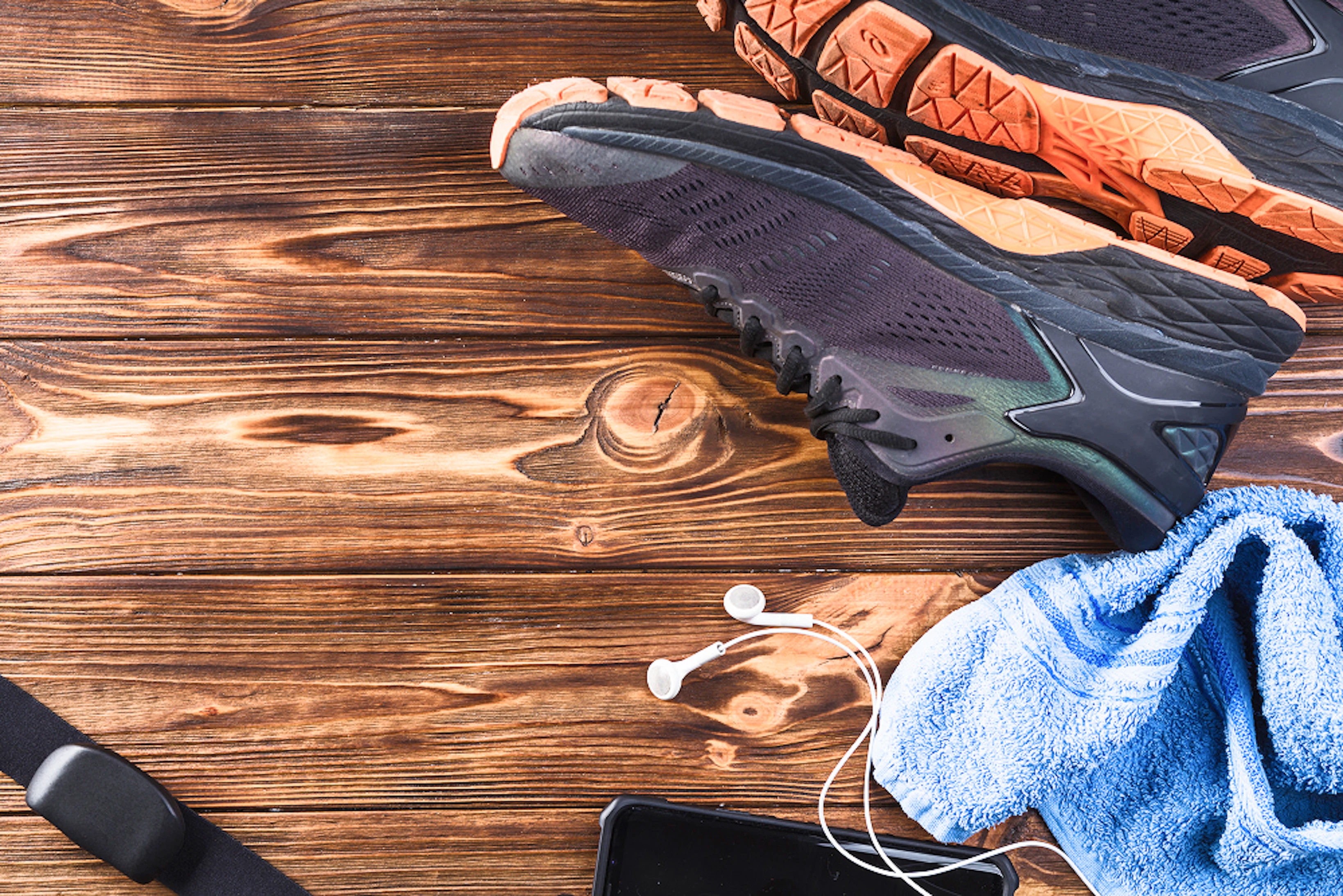
Clothing, hydration, sports nutrition, safety, orientation, communication, medical equipment, etc. Here is the list of mandatory equipment for various UTMB races, as well as a non-exhaustive list of the basic equipment you might need for one of these events.
Checklist (non-exhaustive) of running gear to adopt based on your preferences, the various race formats, the mandatory gear list specific to each organization, and the weather conditions on the day of the event.
| ≤ 10 kilometers | Half-marathon | Marathon | Trail and ultra trail | |
|---|---|---|---|---|
| A headband | ✅ | ✅ | ✅ | ✅ |
| A cap/hat | ✅ | ✅ | ✅ | ✅ |
| A neck warmer | ✅ | ✅ | ✅ | ✅ |
| A pair of sunglasses | ✅ | ✅ | ✅ | ✅ |
| A pair of gloves | ✅ | ✅ | ✅ | ✅ |
| A pair of calf and/or arm compression sleeves | ✅ | ✅ | ✅ | ✅ |
| A pair of gaiters | ❌ | ❌ | ❌ | if polar cold or desert race |
| A pair of socks | ✅ | ✅ | ✅ | ✅ |
| A pair of shoes | ✅ | ✅ | ✅ | ✅ |
| A sports bra | ✅ | ✅ | ✅ | ✅ |
| A short or long-sleeved shirt (bring multiple layers in cold weather) | ✅ | ✅ | ✅ | ✅ |
| A windbreaker/rain jacket | ✅ | ✅ | ✅ | ✅ |
| A pair of shorts | ✅ | ✅ | ✅ | ✅ |
| Tights/leggings | ✅ | ✅ | ✅ | ✅ |
| A hydration pack | optional | optional | optional | ✅ |
| A water reserve | optional as fueling points are offered in competition | optional as fueling points are offered in competition | optional as fueling points are offered in competition | ✅ |
| A food reserve | optional as fueling points are offered in competition (but it is best to eat as you have trained) | optional as fueling points are offered in competition (but it is best to eat as you have trained) | optional as fueling points are offered in competition (but it is best to eat as you have trained) | ✅ |
| A whistle | ❌ | ❌ | ❌ | to bring if mandatory equipment |
| A survival blanket | ❌ | ❌ | ❌ | to bring if mandatory equipment |
| A cutlery kit | ❌ | ❌ | ❌ | to bring if mandatory equipment |
| A personal cup | ❌ | ❌ | ❌ | to bring if mandatory equipment |
| A headlamp and spare batteries | ❌ | ❌ | ❌ | to bring if (possibly) running at night and if mandatory equipment |
| A pair of trail poles | ❌ | ❌ | ❌ | optional |
| A complete change of clothes (life base bag) | ❌ | ❌ | ❌ | if mandatory equipment |
| A pack of tissues 💩 | 🥳 | 🥳 | 🥳 | 🥳 |
| A sufficiently charged smartphone | optional | optional | optional | ✅ |
| A sufficiently charged GPS watch | optional (but practical for managing time barriers and your goal time) | optional (but practical for managing time barriers and your goal time) | optional (but practical for managing time barriers and your goal time) | ✅ |
| Band-aids | to apply beforehand if needed | to apply beforehand if needed | to apply beforehand if needed | to apply beforehand if needed + during the event (may be part of required equipment) |
| Vaseline | to apply beforehand if needed | to apply beforehand if needed | to apply beforehand if needed | to apply beforehand if needed + during the event |
| A small pharmacy kit | ❌ | ❌ | ❌ | to bring with you if mandatory gear required |
| Proof of identity | for your bib collection | for your bib collection | for your bib collection | to bring with you if mandatory gear required |
| A small amount of cash | in case, for before and/or after the event | in case, for before and/or after the event | in case, for before and/or after the event | to bring with you if mandatory gear required |
| A pair of headphones | optional | optional | optional | optional |
| Safety pins or a bib holder | ✅ | ✅ | ✅ | ✅ |
Why does the UTMB impose mandatory gear?
The UTMB imposes a list of mandatory equipment mainly for reasons of safety and autonomy.
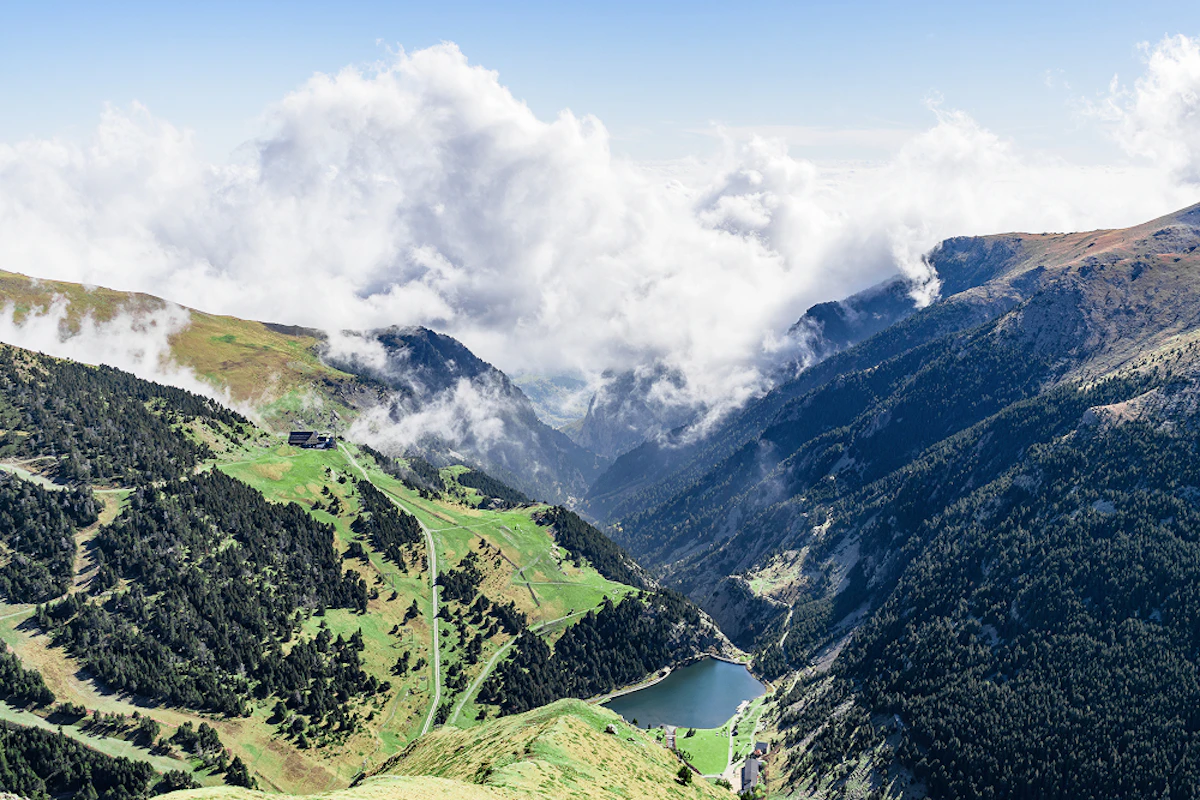
The course, which traverses high-altitude passes, is subject to extremely changeable and unpredictable weather conditions (intense cold, snow, rain, strong wind), even in midsummer. The UTMB mandatory gear is therefore designed to protect runners from hypothermia and bad weather.
Furthermore, the UTMB promotes a philosophy of semi-autonomy. Runners must be able to manage unexpected events encountered between different fueling points. Equipment such as a headlamp, a survival blanket, food, water, and a GPS navigation device are essential for participants to run confidently, possibly to handle difficult situations, and to navigate correctly and await assistance if necessary. The list of mandatory equipment related to each race offered by UTMB is carefully thought out and essential to participate in such demanding events in an alpine environment.
Can one be disqualified due to equipment?
Yes, it is possible to be disqualified due to equipment, and it is even a strict rule in all trails and ultra-trails. The mandatory UTMB gear is a non-negotiable condition to ensure the safety of participants, it must be worn from the start to the finish. If a runner does not have one or more of the required items during a check, he/she may be penalized with an immediate disqualification. On the PTL, for example, checks are not only carried out when bibs are collected but also randomly along the course to ensure that each participant is equipped throughout the event.
Note that equipment must be worn in the container that suits each trail runner. For example, during Kilian Jornet's first victory in the UTMB in 2008, certain participants contested it on the grounds that he did not have all the mandatory UTMB equipment with him. In reality, the Spaniard carried their equipment in a running belt instead of a trail bag.
Which bag to use for the UTMB?
For the UTMB, it is crucial to choose a hydration pack that combines comfort, capacity, and practicality to carry all the mandatory gear. Here are the key points to consider to make the right choice:
Capacity: a bag of 8 to 15 liters is generally recommended to contain the waterproof jacket and pants, warm layers, food, a survival blanket, the first aid kit, etc.
Comfort and fit: the bag must perfectly fit the shape of your body to avoid irritations and chafing during the long hours of running. Models with adjustable straps and an ergonomic fit should be favored. If you are a woman, prefer a model designed for the female body (the pockets for water bottles are located under the chest for a better fit).
Hydration System: most runners opt for soft water bottles at the front of the bag for easy access, but it is also possible to use a water pocket on the back.
Storage: choose a bag with many pockets, especially accessible front pockets for nutrition and phone, and a zippered pocket for valuables.
Trail Poles Holder: if you wish to carry your trail poles, make sure your bag has a stable and easy-to-use attachment system.
How to organize your belongings in your trail backpack?
The organization of your belongings in a trail bag primarily depends on its capacity and size, which are crucial to choose based on the duration of your race as well as your body type. Trail bags are available in several sizes (5, 8, 10, 15 liters, etc.) and even with specific cuts for women, ensuring a perfect fit.
For effective storage, the rule is simple: what you need the most should be as accessible as possible. So place your essential and valuable items — such as your ID card, survival blanket, and first aid kit — at the back of your bag, in a secure pocket. Larger clothing items can also be stored at the back. On the other hand, your nutrition and hydration bottles should be in the front or side pockets so you can grab them without stopping. Always remember to adjust the straps of your trail bag for a comfortable and secure fit.
What is the HOKA UTMB Mont Blanc Hot Weather Kit?
In the event of extreme heat, the organization of the UTMB may activate the Hot Weather Kit kit, an additional list of equipment to take with you to ensure your safety.
What is the difference between the basic kit, bad weather kit, and Hot Weather Kit?
The basic kit includes the equipment you should always have with you, regardless of the weather. The organization may activate additional kits based on weather conditions: the Hot Weather Kit or the cold weather kit, and inform each participant before the start. Don't forget: these kits are an integral part of the mandatory UTMB equipment, you must prepare them just in case and be ready to take them.
⚠️ It is recommended to choose technical clothing that provides effective protection against cold, wind, or snow for optimal safety in the mountains (and an optimized experience 😎). All of these clothes must fit you and be in their original condition. Finally, all this equipment must be carried in a bag that will be marked when the race bibs are collected and cannot be exchanged during the event.
How to choose the right waterproof jacket for the UTMB?
Your waterproof jacket is a crucial element of your equipment for the UTMB, where the weather conditions can be extreme. To make the right choice, it is essential to understand certain technical terms that will help you evaluate the performance of a jacket.
☔ The Schmerber Index (or water column ratings)
This index measures the waterproofness of a fabric. Expressed in millimeters, it indicates the water pressure that a material can withstand before water penetrates it. The higher the number, the more waterproof the jacket is. For the UTMB, where rain and snow can be heavy, a jacket displaying a 20,000 Schmerber index is mandatory.
🌬️ The RET Index (Resistance to Evaporative Heat Transfer)
This index measures the breathability of the fabric, that is, its ability to wick away sweat. A low number means the garment is more breathable. For an intense effort like the ultra-trail, an index of RET below 3 is recommended, as it allows you to avoid the "sauna" effect and stay dry under your jacket, thereby preventing hypothermia.
💡 Beyond the numbers, other criteria are essential:
Design: make sure that the jacket has waterproof seams and an adjustable hood.
Weight and compressibility: a lightweight jacket that is easy to pack in your bag is a major asset for long distances.
The fit: it must be sufficiently loose to be worn over one or two layers but tailored to prevent flapping in the wind and to avoid hindering your movements.
As you have understood, the list of mandatory gear of UTMB is not just a simple formality, but the pillar of safety and autonomy for runners in alpine environments. Each equipment (we strongly recommend testing it during your training to be sure of your choice) is an essential link to face the changing and unpredictable conditions of the course. Thus, items such as your waterproof jacket, warm and waterproof gloves, a survival blanket, a personal cup, and a spare battery are absolutely necessary. Wearing a second warm layer and spare warm clothing is also vital. Your bag must be able to contain all of this, including "detail", such as an elastic band of at least 100 cm x 6 cm. By following the organization's strict rules, you give yourself the best chance to take on your UTMB challenge with confidence! 💥

Manon
Publié le , mis à jour le
partager